
Für Patientinnen und Patienten aus Österreich
Ihr Zahnarzt in Ungarn: Zahnbehandlung für Patienten aus Österreich.
Diese Seite ist für Menschen in Wien, Niederösterreich und dem Burgenland, die eine Zahnklinik auf der anderen Seite der Grenze in Betracht ziehen. Sopron liegt rund 70 Kilometer von Wien entfernt, nah genug, dass ein erster Termin in einen einzigen Vormittag passt. Sie beschreibt, was eine Behandlungsreise tatsächlich bedeutet und was Sie fragen sollten, bevor Sie eine buchen.
Oder rufen Sie an+36 (99) 50 60 90
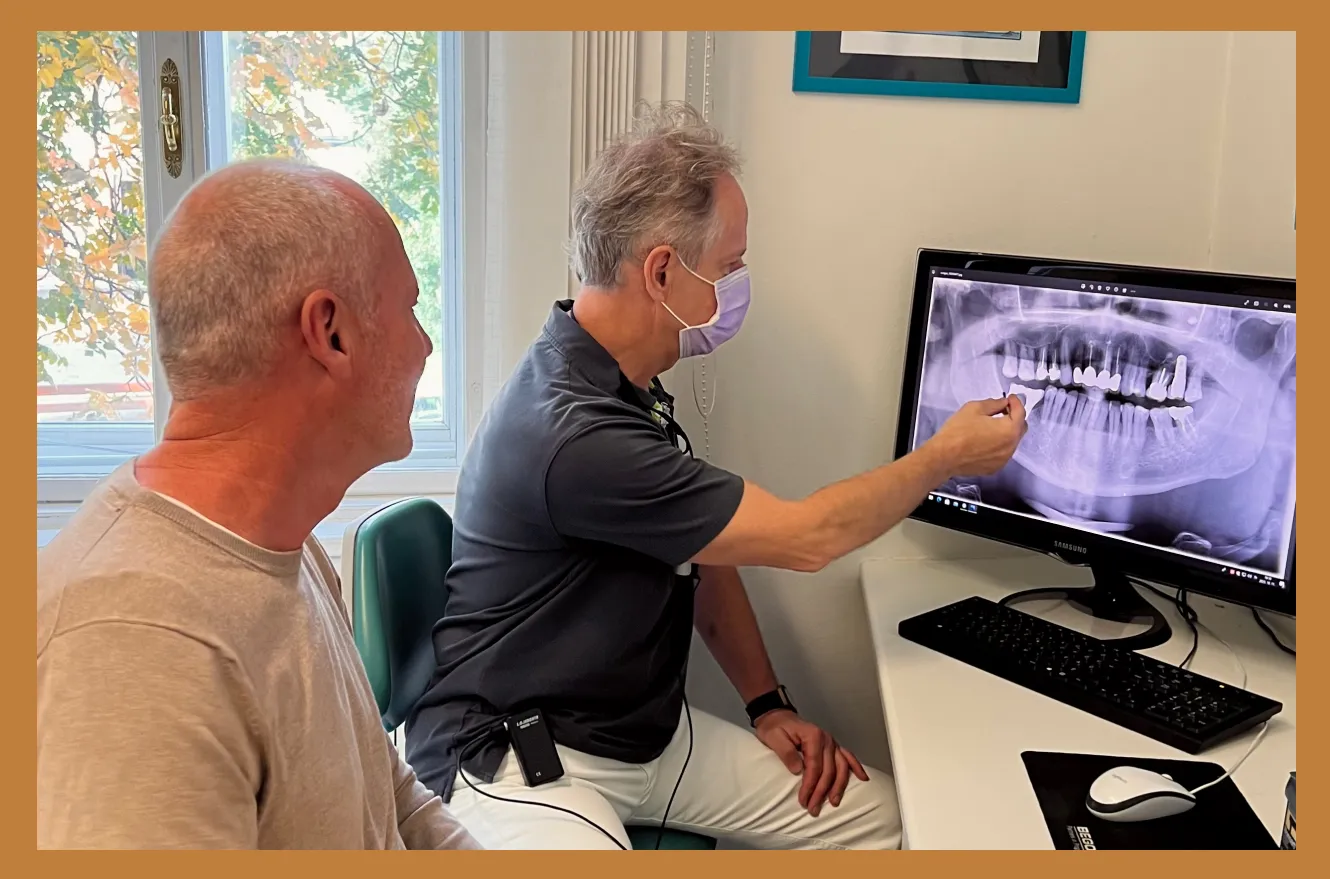
Aufnahmen werden mit einer Patientin durchgesehen, Várkerület 47, Sopron
- Ab Wien
- 70 km
- Bürozeiten
- Mo–Fr 9:00–17:00 Uhr
- Gesprochen wird
- Deutsch, Englisch, Ungarisch, Russisch, Ukrainisch
- Erstberatung
- Kostenlos, nach Vereinbarung
Die kurze Antwort
Für die meisten aus Österreich ist die Fahrt es wert.
Die Anreise aus Österreich nach Sopron für eine Zahnbehandlung lohnt sich für die meisten. Sopron liegt rund 70 Kilometer von Wien entfernt, ein erster Termin passt also in einen Vormittag. Nach der Erfahrung dieser Klinik liegt eine Behandlung im Schnitt 15 bis 20 Prozent unter einer vergleichbaren Privatbehandlung in Österreich, und gearbeitet wird unter dem Mikroskop bei 25-facher Vergrößerung.
Warum Menschen über die Grenze fahren
Der Preis ist der Grund, warum die Suche beginnt.
Die österreichischen Privathonorare sind der Grund, warum fast alle zuerst Sopron in ein Suchfeld tippen. Das ist ein fairer Grund anzufangen. Es ist ein schlechter Grund aufzuhören, denn das günstigste Angebot und die Behandlung, die hält, sind nicht verlässlich dasselbe.
Was eine Zahnbehandlung in Ungarn kostet, und wie der Unterschied zustande kommt
Nach der Erfahrung dieser Klinik liegt eine Behandlung hier im Schnitt 15 bis 20 Prozent unter einer vergleichbaren Privatbehandlung in Österreich. Das ist eine Beobachtung aus dem Kreis der Menschen, die diese Klinik behandelt, und keine zugesicherte Quote; Ihr eigener Betrag hängt vollständig von Ihrem Behandlungsplan ab. Diesen Plan und seine Kosten bekommen Sie schriftlich, bevor irgendein Termin vereinbart wird.
In diesem Markt werden anderswo größere Prozentsätze beworben. Behandeln Sie jede Zahl, die auftaucht, bevor jemand in Ihren Mund gesehen hat, mit der Vorsicht, die sie verdient.
Auf der Preisliste stehen indikative Ab-Preise. Ihr eigener Betrag wird bei Ihrer Untersuchung für Ihren Behandlungsplan ermittelt, und Sie bekommen ihn schriftlich, bevor irgendein Termin vereinbart wird. Die Untersuchung ist kostenlos.
Woran sich entscheidet, ob die Arbeit hält
Das eigentliche Risiko einer Behandlung im Ausland ist nicht die Grenze. Es ist, die Fahrt ein zweites Mal machen zu müssen, weil etwas erneuert werden muss. Gegen dieses Risiko rüstet sich diese Klinik.
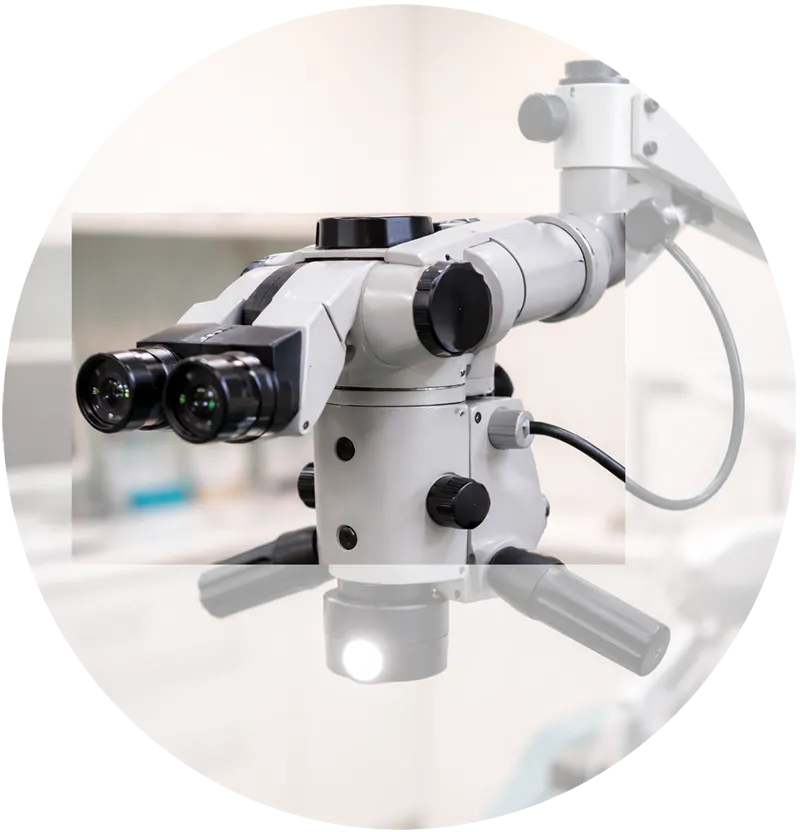
Wurzelkanalbehandlungen und der Wiederaufbau von Zähnen werden unter einem Operationsmikroskop bei 25-facher Vergrößerung durchgeführt. Nur wenige Zahnkliniken und Praxen in Sopron arbeiten so, und darum herum hat sich diese Klinik aufgebaut.
Abgeformt wird mit einem kleinen Scanner statt mit einem Löffel voll Abformmasse, eine Krone oder ein Veneer entsteht also nach einem digitalen Modell Ihrer eigenen Zähne.
Die 3D-Aufnahmen des Kiefers entstehen im Haus, chirurgische Eingriffe und schwierige Wurzelbehandlungen werden also nach einem räumlichen Bild geplant und nicht nach einem flachen Röntgenbild.
Hinter dem Behandlungsplan, den Sie bekommen, stehen mehr als 30 Jahre Praxiserfahrung.
Wie eine Behandlungsreise abläuft
Vom ersten Anruf bis zur Nachkontrolle.
Die Reihenfolge ist dieselbe, ob Sie eine Füllung brauchen oder die Versorgung eines ganzen Kiefers. Was sich ändert, ist die Zahl der Termine, die in Schritt vier stecken.
- 01
Melden Sie sich
Rufen Sie werktags während der Bürozeiten in der Klinik an oder schicken Sie das Formular für die Terminanfrage. Beschreiben Sie, was Sie stört, und sagen Sie ungefähr, wann Sie anreisen könnten. Wenn eine andere Praxis Ihnen bereits Röntgenbilder oder einen Kostenplan gegeben hat, erwähnen Sie das jetzt.
- 02
Kostenlose Erstberatung mit Aufnahmen
Beim ersten Termin wird der Zahn untersucht, es werden die Aufnahmen gemacht, die Ihr Fall braucht, und die Möglichkeiten werden mit Ihnen durchgesprochen. Diese Untersuchung kostet nichts und verpflichtet zu nichts.
- 03
Ein schriftlicher Heil- und Kostenplan
Sie gehen mit der vorgeschlagenen Behandlung und ihren Kosten schriftlich nach Hause. Nichts wird vereinbart, bevor Sie das gelesen haben. Wenn Sie es zu Hause erst gegen ein österreichisches Angebot halten möchten, tun Sie das. Das ist ein vernünftiger Wunsch, und es hängt keine Frist daran.
- 04
Die Behandlungstermine
Wie viele Sitzungen eine Behandlung braucht, hängt davon ab, welche Behandlung es ist. Was im Labor entsteht, etwa ein Keramikveneer oder eine Krone, braucht mehr als einen Termin, und Implantate brauchen zwischen dem chirurgischen und dem prothetischen Schritt Zeit zum Einheilen. Die Zahl der Termine steht in Ihrem Plan, bevor Sie ihm zustimmen, Sie können Ihre Anreise also an einer Zahl ausrichten und nicht an einer Vermutung.
- 05
Nachkontrolle
Bevor Sie gehen, erfahren Sie, worauf Sie zu Hause achten sollen. In manche Behandlungen ist ein zweiter Besuch eingebaut: Eine chirurgische Wunde wird nach etwa 7 bis 10 Tagen kontrolliert und die Fäden werden gezogen, und ein Implantat wird im selben Rhythmus geprüft, bevor die Monate der Einheilung folgen. Eine gewisse Empfindlichkeit über einige Tage nach einer Zahnentfernung oder einer Wurzelbehandlung ist normal und legt sich von selbst. Wenn sich etwas nicht richtig anfühlt, sobald Sie zurück in Österreich sind, ist die Klinik werktags telefonisch erreichbar und hört lieber früh von Ihnen als spät.
Niemand kann Ihnen die Zahl der Sitzungen nennen, bevor der Zahn untersucht wurde. Jede Klinik, die am Telefon eine feste Zahl von Fahrten nennt, schätzt.
Praktisches
Die Anreise, und was Sie am Tag selbst erwartet.
Sopron ist eine Grenzstadt und behandelt seit Jahrzehnten österreichische Patientinnen und Patienten. Die Logistik ist der unkomplizierteste Teil der Sache.
- Entfernung70 km ab Wien, etwa eine Stunde mit dem Auto
- Sopron liegt rund 70 Kilometer von Wien entfernt und aus dem nördlichen Burgenland noch näher. Die meisten kommen mit dem Auto oder mit der Bahn, und in beiden Fällen sind es bequem weniger als eineinhalb Stunden ab der Stadt.
- Die Grenze
- Ungarn und Österreich gehören beide zur Europäischen Union und zum Schengen-Raum, der Übertritt ist also Routine, und auf der Strecke gibt es keine stehende Passkontrolle. Führen Sie trotzdem einen gültigen Personalausweis oder Reisepass mit.
- Sprache
- Beratung und Behandlung finden auf Deutsch statt, außerdem werden Englisch, Ungarisch, Russisch und Ukrainisch gesprochen.
- Zeiten und TermineGeöffnet Mo–Fr 9:00–17:00 Uhr · Behandlung nach Vereinbarung
- Das Büro ist von Montag bis Freitag von 9:00 bis 17:00 Uhr besetzt und am Wochenende geschlossen. Behandelt wird ausschließlich nach Vereinbarung, eine Warteliste für Spontanbesuche gibt es nicht, vereinbaren Sie also einen Termin, bevor Sie losfahren.
- Adresse
- Harajda Dent ist am Várkerület 47 im Zentrum von Sopron. Auf der Kontaktseite finden Sie die Karte, die vollständige Adresse und die E-Mail-Adresse der Klinik.
Vor der Fahrt
Was Sie zum ersten Termin mitbringen sollten.
Nichts davon ist Pflicht. Jeder Punkt spart Zeit am Behandlungsstuhl, und die ersten beiden sparen gelegentlich einen ganzen Termin.
Alle Röntgen- oder 3D-Aufnahmen, die Sie bereits haben. Wenn eine frühere Praxis sie gemacht hat, bitten Sie um eine digitale Kopie. Die meisten geben sie auf Anfrage heraus.
Eine Liste der Medikamente, die Sie einnehmen, insbesondere Blutverdünner und Knochenmedikamente, dazu bekannte Allergien.
Was Sie über frühere Arbeiten an dem betreffenden Zahn wissen: ungefähr wann er behandelt wurde und was gemacht wurde.
Jeden Kostenplan, den Sie bereits erhalten haben. Wenn Sie Praxen vergleichen, bringen Sie ihn mit. Einen schriftlichen Plan gegen einen anderen zu halten ist weit einfacher, als einen Plan gegen eine halb erinnerte Zahl zu halten.
Ihren Personalausweis oder Reisepass für die Grenze, und Ihre Versicherungsunterlagen, falls Sie Ihre Versicherung anschließend nach einer Erstattung fragen möchten.
Wenn Sie nichts davon haben, kommen Sie trotzdem. Zur Beratung gehören die Aufnahmen, die Ihr Fall braucht.
Was Patientinnen und Patienten aus Österreich fragen
Die Fragen, die sich vor einem Termin lohnen.
Lohnt sich die Fahrt aus Österreich nach Sopron zum Zahnarzt?
Für die meisten ja. Sopron liegt rund 70 Kilometer von Wien entfernt, eine Beratung ist damit ein Tagesausflug. Nach der Erfahrung dieser Klinik liegt eine Behandlung im Schnitt 15 bis 20 Prozent unter einer vergleichbaren Privatbehandlung in Österreich, wobei Ihr eigener Betrag von Ihrem Behandlungsplan abhängt und Sie ihn schriftlich haben, bevor etwas vereinbart wird. Abzuwägen ist aber nicht die Ersparnis, sondern die Frage, ob die Arbeit zweimal gemacht werden muss: Fragen Sie jede Praxis, die Sie vergleichen, was sie beim Arbeiten sehen kann, welche Aufnahmen sie im Haus macht und was geschieht, wenn eine Versorgung versagt, nachdem Sie zu Hause sind.
Sprechen Sie Deutsch?
Ja. Beratung und Behandlung finden auf Deutsch statt, vom ersten Telefonat bis zur Nachkontrolle, und Englisch, Ungarisch, Russisch und Ukrainisch werden ebenfalls gesprochen. Kein Teil Ihrer Diagnose und kein Teil Ihres Behandlungsplans muss in einer Fremdsprache verstanden werden.
Wie oft muss ich nach Sopron fahren?
Das hängt von der Behandlung ab, und ehrlich sagen kann das niemand, bevor der Zahn untersucht wurde. Was im Labor entsteht, etwa ein Keramikveneer, eine Krone oder eine Brücke, braucht mehr als eine Sitzung. Implantate brauchen zwischen dem chirurgischen Schritt und der Versorgung Zeit zum Einheilen. Die Zahl der Termine steht in Ihrem Behandlungsplan, bevor Sie ihm zustimmen, Sie können die Anreise also danach buchen.
Was passiert, wenn nach meiner Rückreise etwas nicht stimmt?
Das ist die richtige Frage zu einer Behandlung im Ausland, und sie verdient eine konkrete Antwort statt einer Beruhigung. Was sich heute sagen lässt: Die Klinik ist werktags von 9:00 bis 17:00 Uhr telefonisch erreichbar, und ein Problem mit einer hier durchgeführten Arbeit behandelt die Zahnärztin oder der Zahnarzt, die sie durchgeführt hat, was einen weiteren Termin in Sopron bedeutet. Wenn Sie Schmerzen haben, gehen Sie zuerst zu einer Praxis in Ihrer Nähe, um akute Beschwerden zu lindern, und rufen Sie danach mit dem Befund hier an. Von unserer Zahnklinik erhalten Sie auf die zahnärztliche Arbeit eine Garantie von fünf Jahren. Diese Garantie gilt auch für alle Arbeiten, die unser zahntechnisches Labor für Sie anfertigt, einschließlich Kronen, Brücken und Zahnersatz. Voraussetzung für die Garantie ist, dass Sie halbjährlich zu einer Kontrolle in unsere Klinik kommen. Lassen Sie sich die Bedingungen bei der Beratung schriftlich geben, und lassen Sie sich sagen, was geschieht, wenn eine Versorgung nach Ihrer Rückkehr versagt. Verlangen Sie dasselbe von jeder Zahnklinik, die Sie vergleichen.
Kann ich meine Unterlagen und Röntgenbilder mit nach Hause nehmen?
Ja, und Sie sollten danach fragen. Nach europäischem Datenschutzrecht haben Sie ein Auskunftsrecht über Ihre eigenen Gesundheitsdaten, und eine Kopie Ihrer Aufnahmen und Behandlungsunterlagen ist wirklich nützlich, wenn eine Praxis in Österreich anschließend Ihre laufende Betreuung übernimmt. Fragen Sie beim Termin danach und nicht erst nach der Rückreise, dann kann alles vorbereitet werden, solange Sie noch hier sind.
Wie bezahle ich, und erstattet meine österreichische Versicherung etwas?
Das sind zwei verschiedene Fragen. Zur Zahlung: Klären Sie die Zahlungsweise bei der Terminvereinbarung mit der Klinik, dann ist am Tag selbst nichts mehr zu regeln. Zur Erstattung: Österreichische gesetzliche und private Versicherungen wenden auf eine Behandlung in einem anderen EU-Land jeweils eigene Regeln an, und was Sie zurückbekommen, hängt von Ihrer Versicherung, Ihrem Vertrag und der Behandlung selbst ab. Keine Zahnklinik in Ungarn kann Ihnen sagen, was Ihre Versicherung zahlt. Fragen Sie dort vor der Fahrt nach, beschreiben Sie die vorgeschlagene Behandlung und fragen Sie, welche Unterlagen benötigt werden. Bewahren Sie Ihren schriftlichen Plan und Ihre Rechnung auf.
Nächster Schritt
Lassen Sie untersuchen, bevor Sie irgendetwas entscheiden.
Die erste Untersuchung kostet nichts und legt nichts fest. Der Zahn wird angesehen, die Möglichkeiten werden erklärt, und Plan und Preis kommen schriftlich, damit Sie beides mit nach Österreich nehmen und in Ruhe überdenken können.
Oder rufen Sie uns an+36 (99) 50 60 90