
Einen Zahn von der Wurzel an ersetzen
Zahnimplantate in Sopron, Ungarn
Ein Zahnimplantat ist eine künstliche Zahnwurzel aus Titan, die in den Kieferknochen gesetzt wird und eine Krone, eine Brücke oder eine Prothese trägt. Titan ist biokompatibel, der Körper nimmt es also an, und Implantate eignen sich damit auch bei Metallallergien. Sobald es mit Ihrem Knochen verwachsen ist, sitzt der Ersatzzahn fest und wird wie ein natürlicher benutzt. Gesetzt werden Implantate hier in Sopron, Ungarn.
Oder rufen Sie an+36 (99) 50 60 90
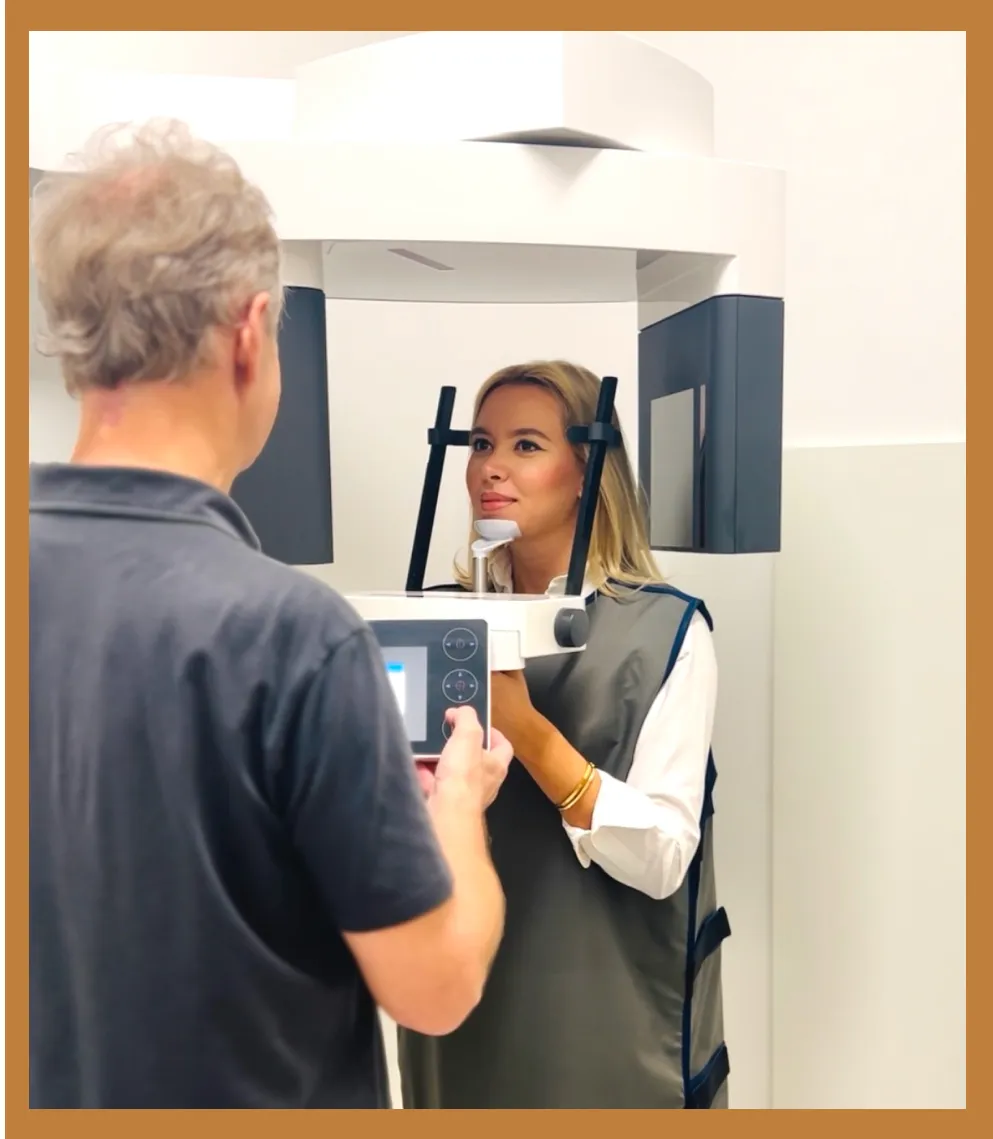
3D-Diagnostik vor der Implantatplanung
- Umfang
- Einzeln, Brücke, Bogen
- Methode
- 3D geplant, örtlich betäubt
- Einheilung
- 3–6 Monate
- Kontrolle
- Fäden nach 7–10 Tagen
- Ab
- €950-1400
Was ein Implantat kann, was anderer Ersatz nicht kann
Ein Implantat ist der einzige Zahnersatz, der im Knochen beginnt. Eine Brücke oder eine Teilprothese wird stattdessen von den Zähnen oder vom Zahnfleisch rund um die Lücke getragen, und genau deshalb zeigt sich der Unterschied mit der Zeit.
Die Nachbarzähne bleiben unberührt
Eine Brücke muss an den Zähnen links und rechts der Lücke verankert werden, und diese Zähne werden dafür beschliffen. Ein Implantat trägt seine eigene Krone, gesunde Zähne bleiben also, wie sie sind.
Titan, und warum ein Implantat daraus besteht
Das Implantat selbst ist eine Titanwurzel im Kiefer, und Titan wird aus zwei Gründen verwendet. Knochen wächst daran an: In den Monaten nach dem Eingriff verwächst das Implantat mit dem Kieferknochen, bis beide sich wie eines verhalten, und diese Verbindung hält den fertigen Zahn unter Kaubelastung ruhig. Titan ist außerdem biokompatibel, also vollständig mit dem menschlichen Körper verträglich, und damit auch für Menschen unproblematisch, die auf andere Dentalmetalle reagieren.
Das Kauen kommt zurück
Die meisten kommen, weil eine Prothese nicht mehr stabil genug ist, das Kauen schwer geworden ist oder eine Lücke zu stören beginnt. Implantate stellen die Funktion ebenso wieder her wie das Aussehen.
In drei Dimensionen geplant
Bevor etwas gesetzt wird, zeigen eine ausführliche Untersuchung und die 3D-Diagnostik den genauen Aufbau des Kieferknochens: wie viel Knochen vorhanden ist und wo die Anatomie ein Implantat zulässt.
Feste Zähne auch bei wenig Knochen
Wo das Knochenangebot ungünstig ist, können ein All-on-4- oder All-on-6-Bogen oder vorher ein Knochenaufbau beziehungsweise ein Sinuslift festsitzenden Ersatz trotzdem möglich machen.
Ein Implantat ist meist die richtige Antwort, wenn
- ein einzelner Zahn fehlt und Sie die Nachbarzähne nicht für eine Brücke beschleifen lassen möchten
- mehrere nebeneinanderliegende Zähne fehlen und die Lücke festsitzend geschlossen werden soll
- eine vorhandene Prothese instabil geworden ist und sich beim Essen oder Sprechen bewegt
- in einem oder beiden Kiefern keine Zähne mehr sind und Sie wieder feste Zähne möchten
- das Kauen schwer geworden ist oder eine sichtbare Lücke Sprache oder Lächeln beeinträchtigt
Der Behandlungsweg
Von der Untersuchung bis zum fertigen Zahn
Eine Implantation besteht aus Schritten, die aufeinander aufbauen und sich über mehrere Monate verteilen. Der größte Teil dieser Zeit ist Heilung und nicht Termine. Das folgende Protokoll der Klinik zeigt ungefähr, was jede Phase von Ihnen verlangt.
- 01
Beratung und Untersuchung
Eine ausführliche klinische Untersuchung und die 3D-Diagnostik geben ein genaues Bild vom Aufbau des Kieferknochens, sodass die Position des Implantats feststeht, bevor ein Operationstermin vereinbart wird.
- 02
Das Implantat setzen
Das Titanimplantat wird unter örtlicher Betäubung in den Kieferknochen gesetzt, der Eingriff selbst ist damit schmerzfrei. Reicht das Knochenvolumen nicht aus, geht ein Knochenaufbau oder ein Sinuslift voraus oder findet im selben Eingriff statt.
- 03
Kontrolle und Fäden ziehen
Eine gewisse Schwellung und Druckempfindlichkeit in den ersten Tagen danach ist normal, und Sie gehen mit Verhaltenshinweisen dazu nach Hause. Nach 7 bis 10 Tagen sehen wir Sie wieder: Die Heilung wird kontrolliert und die Fäden werden gezogen.
- 04
Einheilung, während das Implantat mit dem Knochen verwächst
In den folgenden drei bis sechs Monaten verwächst das Titan mit Ihrem eigenen Knochengewebe, bis beide sich wie eines verhalten. Diese Verbindung gibt dem fertigen Zahn seine Stabilität, und sie lässt sich nicht beschleunigen. Fast die ganze Zeit ist reine Heilung und verlangt kaum mehr von Ihnen, als die Stelle sauber zu halten.
- 05
Krone, Brücke oder Prothese einsetzen
Ist die Einheilung abgeschlossen, wird die individuell geplante Krone, Brücke oder Prothese gefertigt und auf dem Implantat befestigt, natürlich im Aussehen und mit voller Kaufunktion.
- 06
Nachsorge, wenn der Zahn in Gebrauch ist
Implantate werden alle sechs bis zwölf Monate kontrolliert, zusammen mit einer professionellen Mundhygiene. Zahnstein zu entfernen und das Gewebe rund um das Implantat gesund zu halten verlängert seine Lebensdauer mehr als alles andere, diese Termine gehören also in den Kalender.
Für einen ganzen Kiefer brauchen die Systeme All-on-4 und All-on-6 nur einen chirurgischen Eingriff: Vier oder sechs Implantate pro Kiefer tragen eine verschraubte Brücke über den ganzen Bogen, und die Klinik gibt an, dass ein fester, verschraubter Bogen bei einem Kiefer ohne eigene Zähne innerhalb von 24 Stunden eingegliedert werden kann.
Implantat, Brücke oder Prothese
Drei Wege, einen fehlenden Zahn zu ersetzen
Alle drei stellen das Bild einer vollständigen Zahnreihe wieder her. Sie unterscheiden sich darin, was die Last trägt, was mit den Zähnen rund um die Lücke geschieht und wie lange die Behandlung dauert.
Was es trägt
- Implantat
- Eine mit dem Kieferknochen verwachsene Titanwurzel
- Herkömmliche Brücke
- Die beschliffenen Zähne links und rechts der Lücke
- Herausnehmbare Prothese
- Das Zahnfleisch und die verbliebenen Zähne
Nachbarzähne
- Implantat
- Unberührt
- Herkömmliche Brücke
- Für die Brücke beschliffen
- Herausnehmbare Prothese
- Umklammert, wo Klammern verwendet werden
Fest oder herausnehmbar
- Implantat
- Festsitzend
- Herkömmliche Brücke
- Festsitzend
- Herausnehmbare Prothese
- Herausnehmbar, kommt zum Reinigen heraus
Behandlungsdauer
- Implantat
- Mehrere Monate, überwiegend Heilung
- Herkömmliche Brücke
- Etwa zwei Termine, sobald die Zähne vorbereitet sind
- Herausnehmbare Prothese
- Die kürzeste der drei
Bei einem Kiefer ohne eigene Zähne
- Implantat
- Ja, mit All-on-4 oder All-on-6, oder als Prothese, die auf Implantate einrastet
- Herkömmliche Brücke
- Nein, sie braucht Zähne zum Verankern
- Herausnehmbare Prothese
- Ja, als herausnehmbare Vollprothese
Wenn zu wenig Knochen da ist
- Implantat
- Zuerst Knochenaufbau oder Sinuslift, oder ein abgewinkeltes Bogensystem
- Herkömmliche Brücke
- Nicht betroffen
- Herausnehmbare Prothese
- Nicht betroffen
Es gibt auch einen Mittelweg: Eine Brücke kann statt von natürlichen Zähnen von Implantaten getragen werden, und damit schließt sich eine Lücke über mehrere Zähne, ohne die gesunden Zähne daneben zu beschleifen.
Kosten und Preise
Was Zahnimplantate in Ungarn kosten, und wovon der Betrag abhängt
Ein Implantatfall wird als Plan beziffert und nicht als einzelne Position: die Wurzel im Knochen, das Verbindungsstück zwischen Implantat und Krone, die Krone oder Brücke darauf und jede nötige Knochenarbeit darunter sind getrennte Teile derselben Behandlung.
Was den Preis bestimmt
- Wie viele Implantate
- Ein einzelner Zahn, eine Brücke auf zwei oder drei Implantaten oder ein ganzer Bogen auf vier oder sechs sind sehr unterschiedliche Umfänge.
- Was darauf kommt
- Eine Einzelkrone, eine Implantatbrücke, eine Prothese, die auf Implantate einrastet, oder ein fest verschraubter Bogen bringen jeweils eigene Laborarbeit mit.
- Ob Knochenarbeit nötig ist
- Ein Knochenaufbau oder ein Sinuslift, wo der Kiefer nicht genug Knochen für ein Implantat hat, ist ein eigener chirurgischer Schritt im Plan.
- Materialien
- Das Material der Krone oder Brücke, ob Metallkeramik, Presskeramik oder Zirkon, verändert sowohl das Aussehen als auch den Preis.
So erhalten Sie einen Kostenplan
- 01Kostenlose ErstberatungDie persönliche Untersuchung in der Klinik kostet Sie nichts. Wir sehen uns den Zahn an, nehmen die Aufnahmen, die Ihr Fall braucht, und erklären Ihnen, was die einzelnen Möglichkeiten tatsächlich bedeuten.
- 02Heil- und Kostenplan, bevor etwas vereinbart wirdSie erhalten einen Kostenplan für Ihren eigenen Mund, für die Materialien Ihres Falls und für die Zahl der Sitzungen, die er braucht. Kein Durchschnittswert aus einer Tabelle, der auf Sie vielleicht gar nicht zutrifft.
- 03Sie entscheiden danachNach der Beratung besteht keinerlei Verpflichtung, eine Behandlung zu vereinbaren. Wenn Sie Praxen vergleichen, nehmen Sie den Plan mit nach Hause.
Die meisten unserer Patientinnen und Patienten kommen aus Österreich und Deutschland. Nach der Erfahrung dieser Klinik liegt eine Behandlung hier im Schnitt 15 bis 20 Prozent unter einer vergleichbaren Privatbehandlung in Österreich. Ihr eigener Betrag hängt von Ihrem Behandlungsplan ab, und Sie haben ihn schriftlich, bevor ein Termin vereinbart wird.
Die Zahlen auf dieser Seite und in der Preisliste sind Richtwerte und zeigen, ab welchem Betrag eine Behandlung beginnt. Ihr eigener Betrag stammt aus Ihrer Untersuchung und wird Ihnen schriftlich gegeben, bevor ein Termin vereinbart wird. Die Untersuchung ist kostenlos.
Fragen zu Zahnimplantaten
Wie lange dauert die gesamte Implantatbehandlung?
Rechnen Sie mit mehreren Monaten, wobei nur ein sehr kleiner Teil davon Zeit im Behandlungsstuhl ist. Nach dem Setzen kommen Sie nach 7 bis 10 Tagen zur Kontrolle und zum Fädenziehen, danach braucht das Implantat drei bis sechs Monate, um mit dem Knochen zu verwachsen, bevor Krone, Brücke oder Prothese eingesetzt wird. Diese Einheilzeit gibt die Biologie vor und nicht der Terminkalender, und sie ist es, die das Ergebnis stabil macht.
Tut das Setzen eines Implantats weh?
Das Implantat wird unter örtlicher Betäubung gesetzt, der Eingriff selbst ist also schmerzfrei. Es ist ein chirurgischer Eingriff, deshalb sind eine gewisse Schwellung und Druckempfindlichkeit in den Tagen danach normal, und Sie bekommen vor dem Nachhausegehen Verhaltenshinweise. Die meisten beschreiben es als leichter, als sie erwartet hatten.
Was, wenn ich zu wenig Knochen für ein Implantat habe?
Das kommt häufig vor, besonders wenn ein Zahn seit Jahren fehlt, und es ist meist lösbar. Ein Knochenaufbau ersetzt Kieferknochen, der durch einen fehlenden Zahn oder eine Entzündung verloren gegangen ist, und ein Sinuslift hebt den Boden des Luftraums über den oberen Seitenzähnen an, um dort Höhe zu schaffen. Wo das Knochenangebot im ganzen Kiefer schlecht ist, kann ein All-on-4- oder All-on-6-System oft trotzdem eine feste Brücke tragen.
Ich reagiere auf Metalle. Kann ich trotzdem ein Implantat bekommen?
Ja. Implantate bestehen aus Titan, das biokompatibel und damit vollständig mit dem menschlichen Körper verträglich ist, und das bei Metallallergien kein Problem darstellt. Wenn Sie auch bei der Krone oder Brücke darauf Bedenken haben, gibt es metallfreie Varianten wie Presskeramik und Zirkon.
Wie oft muss ich für ein Implantat nach Sopron kommen?
In der Regel zur ersten Beratung mit 3D-Planung, zum Eingriff selbst, zur Kontrolle nach 7 bis 10 Tagen und danach zu den Terminen, bei denen Krone, Brücke oder Prothese nach der Einheilzeit eingesetzt wird. Diese Termine planen wir beim Erstellen des Behandlungsplans um Ihre Anreise herum. Die meisten aus Österreich legen die ersten beiden Schritte in eine Fahrt zusammen.
Ich habe alle Zähne verloren. Kann ich trotzdem feste Zähne bekommen?
In den meisten Fällen ja. Die Systeme All-on-4 und All-on-6 tragen einen ganzen festen Bogen auf vier oder sechs Implantaten und brauchen nur einen chirurgischen Eingriff, und die Methode lässt sich auch bei ungünstigem Knochenangebot einsetzen. Die Klinik gibt an, dass ein fester, verschraubter Bogen bei einem Kiefer ohne eigene Zähne innerhalb von 24 Stunden eingegliedert werden kann. Die herausnehmbare Alternative ist eine Prothese, die auf Implantate einrastet, je nach Halteelement steg- oder locatorgetragen genannt: deutlich stabiler als eine herkömmliche Prothese, aber weiterhin zum Reinigen herausnehmbar.
Bevor Sie sich festlegen
Finden Sie heraus, ob ein Implantat in Ihrem Fall möglich ist.
Die Untersuchung kostet nichts: Wir sehen uns die Stelle an, werten die Aufnahmen aus, die Ihr Fall braucht, und sagen Ihnen ehrlich, was der Kiefer trägt und was nicht.
Oder rufen Sie die Klinik an+36 (99) 50 60 90