
Ästhetische Behandlungen
Ästhetische Zahnheilkunde in Sopron: Veneers, Kronen und Brücken
Ästhetische Zahnheilkunde stellt Form, Farbe und Proportion von Zähnen wieder her, die verfärbt, abgesplittert, abgenutzt oder verloren gegangen sind. Bei Harajda Dent in Sopron heißt das Veneers, entweder in einem Termin direkt auf den Zahn aufgebaut oder im Labor aus Presskeramik gefertigt und beim zweiten Termin eingesetzt, dazu Kronen, Brücken und Zahnersatz, wo Zähne ersetzt werden müssen.
Oder rufen Sie an+36 (99) 50 60 90
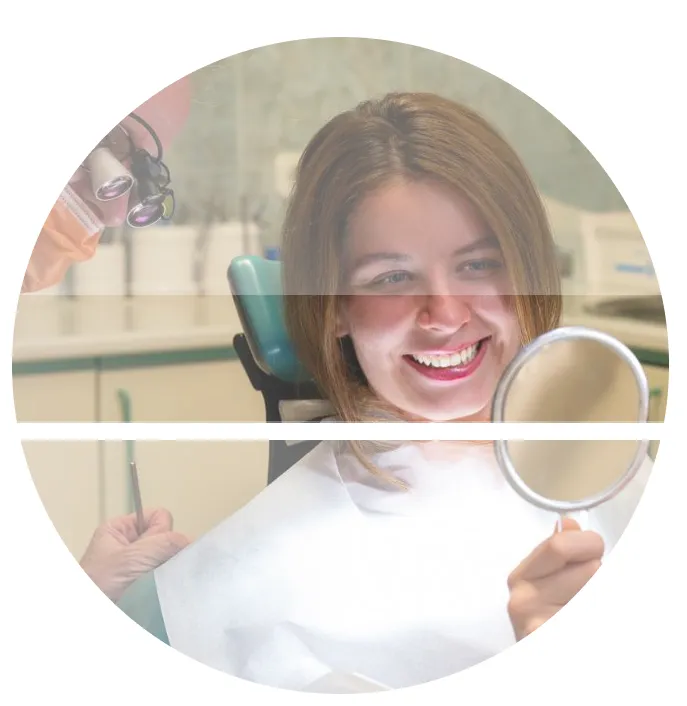
Das Ergebnis, gemeinsam mit der Patientin durchgesehen
- Umfang
- Veneers, Kronen, Brücken
- Methode
- Direkt oder aus dem Labor
- Sitzungen
- 1 direkt · 2 indirekt
- Materialien
- Kunststoff, Keramik, Zirkon
- Ab
- €450
Zwei Wege zum selben Lächeln
Ein Veneer, auch Verblendschale genannt, ist eine dünne Schale aus zahnfarbenem Füllungsmaterial oder Presskeramik, die vorne auf den Zahn geklebt wird, um Farbe, Form oder Größe zu verändern. Fast jeder Fall beginnt hier mit einer Frage: Lässt sich die Schale in einer Sitzung direkt auf Ihren Zahn aufbauen, oder muss sie im Dentallabor gefertigt werden? Die Antwort bestimmt die Zahl der Termine, das Material und die Kosten.
Direkt auf dem Zahn aufgebaut, in einem Termin
Das Füllungsmaterial wird in der Klinik unter dem Mikroskop auf den Zahn modelliert, der eigenen Anatomie des Zahns folgend, dann poliert und am selben Tag fertiggestellt. Es muss nichts abgeschliffen werden, um Platz zu schaffen, der Zahn darunter bleibt also, wie er ist.
Im Labor aus Presskeramik gefertigt
Der Zahn wird nur minimal vorbereitet, eine digitale Abformung geht ins Dentallabor, und die fertige Keramik wird beim zweiten Termin eingeklebt. Das ist der Weg bei starken Verfärbungen, größeren Lücken oder einer umfassenderen Formveränderung, als sich von Hand aufbauen lässt.
Kronen, und der Wiederaufbau eines gebrochenen oder wurzelbehandelten Zahns
Eine Krone ist eine Kappe, entweder aus Keramik über einem Metallgerüst oder ganz ohne Metall, die den gesamten sichtbaren Teil eines Zahns umfasst und ihn zusammenhält. Sie ist die Antwort, wenn ein Zahn gebrochen ist, eine sehr große Füllung trägt oder viel Substanz an Karies verloren hat. Sie passt auch für einen wurzelbehandelten Zahn, sobald dieser mindestens drei Monate beschwerdefrei war. Hat ein wurzelbehandelter Zahn den größten Teil seiner Krone verloren, bleibt zu wenig übrig, um allein etwas zu tragen: Dann kommt zuerst ein Stift in den Wurzelkanal, der Zahn wird darum herum aufgebaut und anschließend überkront. Stifte bestehen je nach Fall aus Metalllegierung, Gold oder Glasfaser.
Brücken
Wo mehrere nebeneinanderliegende Zähne fehlen und die Zahnreihe unterbrochen ist, wird eine Brücke an den vorbereiteten Zähnen beiderseits der Lücke befestigt. Sie kann stattdessen auch von einem Implantat getragen werden, dann werden die Nachbarzähne gar nicht beschliffen.
Prothesen und kombinierte Arbeit
Vollprothesen, Teilprothesen mit Metallklammern und kombinierte Arbeit, die eine festsitzende Krone oder Brücke über ein verborgenes Verbindungsstück mit einem herausnehmbaren Teil verbindet. Von der Teilprothese gibt es auch eine Ausführung mit Goldklammern: antibakteriell, gewebefreundlicher und wegen ihres Materialwerts wiederverwertbar.
Nach ästhetischer Behandlung wird meist gefragt bei
- verfärbten Zähnen, die auf eine Reinigung nicht mehr ansprechen
- kleinen Absplitterungen, feinen Rissen oder abgenutzten Kanten an den Frontzähnen
- Lücken und unregelmäßigen Formen, die das Lächeln uneben wirken lassen
- einem gebrochenen Zahn oder einem Zahn mit einer großen alten Füllung
- fehlenden Zähnen, die die Zahnreihe unterbrechen und die Proportionen des Gesichts verändern
- einer vorhandenen Prothese, die drückt, wackelt oder sichtbare Klammern hat
Der Ablauf
Vom ersten Blick bis zum fertigen Zahn
Der direkte Weg ist in einer Sitzung fertig. Alles, was im Labor entsteht, braucht zwei Termine, mit der Laborarbeit dazwischen. Die folgenden Schritte decken beides ab, und welchen Weg Ihr Fall braucht, erfahren Sie, bevor Sie sich festlegen.
- 01
Beratung und Planung
Wir untersuchen die Zähne, fragen, was Sie verändert haben möchten, und erklären, welche Möglichkeiten das erreichen: hier direkt auf den Zahn aufgebaut, Keramik aus dem Labor, eine Krone oder der vollständige Ersatz des Zahns. Sie gehen mit dem Wissen um Weg, Material und Zahl der Termine.
- 02
Farbe und Form
Bevor etwas aufgebaut oder gefertigt wird, werden Farbe und Form mit Ihnen abgestimmt und nicht für Sie entschieden. Sie sagen, wie hell die Zähne wirken sollen und welche Form zu Ihrem Gesicht passt, und das Ergebnis wird so lange mit Ihnen durchgegangen, bis Sie zufrieden sind. Diese Art von Arbeit gelingt nur, wenn sie die ist, um die Sie gebeten haben.
- 03
Direkter Weg: ein Termin
Das Füllungsmaterial wird direkt auf den Zahn aufgetragen und modelliert, Schicht für Schicht wird seine natürliche Anatomie wieder aufgebaut, dann wird poliert. Nichts wird abgeschliffen, es gibt kein Provisorium zu tragen, und Sie gehen am selben Tag mit dem fertigen Zahn hinaus.
- 04
Indirekter Weg: Vorbereitung und Abformung
Der Zahn wird nur dort vorbereitet, wo die Keramik den Platz braucht, und die Abformung geschieht digital mit einem im Mund geführten Scanner statt mit einem Löffel voll Abformmasse. Das Labor fertigt danach Verblendschale, Krone oder Brücke passgenau dazu.
- 05
Indirekter Weg: Einprobe und Einkleben
Beim zweiten Termin wird das fertige Stück anprobiert, gegen Ihren Biss und die Nachbarzähne geprüft, wo nötig angepasst und eingeklebt.
- 06
Nachsorge
Reinigen Sie es genau wie einen natürlichen Zahn, mit Bürste und Zwischenraumreinigung, besonders sorgfältig an der Kante, wo es auf das Zahnfleisch trifft. Genau an diesem Rand beginnt der Ärger, wenn er vernachlässigt wird. Halten Sie außerdem die Mundhygiene-Termine ein, denn ein stabiler, gesunder Zahnfleischverlauf ist das, was die Arbeit über die Jahre gut aussehen lässt.
Direkte oder indirekte Veneers
Welcher Weg zu welchem Fall passt
Beide Wege enden mit einer Schale über der Vorderfläche des Zahns. Der Unterschied liegt darin, wo diese Schale entsteht, auf Ihrem Zahn oder im Labor, und daraus folgt fast alles Weitere.
Wo es entsteht
- Auf dem Zahn aufgebaut
- Auf Ihrem Zahn, hier in der Klinik
- Im Labor gefertigt
- Im Dentallabor, nach digitaler Abformung
Sitzungen
- Auf dem Zahn aufgebaut
- Eine
- Im Labor gefertigt
- Zwei: Vorbereitung und Abformung, dann Einsetzen
Material
- Auf dem Zahn aufgebaut
- Zahnfarbenes Füllungsmaterial (Kunststoff)
- Im Labor gefertigt
- Presskeramik
Vorbereitung des Zahns
- Auf dem Zahn aufgebaut
- Keine, es wird keine Zahnsubstanz entfernt
- Im Labor gefertigt
- Minimale Vorbereitung
Am besten geeignet für
- Auf dem Zahn aufgebaut
- Verfärbungen, Bisskorrektur, kleine Risse, Feinabstimmung der Form
- Im Labor gefertigt
- Starke Verfärbungen, größere Lücken, Umformen von Zähnen
Kosten
- Auf dem Zahn aufgebaut
- Günstiger, bei hohem ästhetischem Anspruch
- Im Labor gefertigt
- Höher, wegen Laborarbeit und Keramik
Kosten und Preise
Was Veneers, Kronen und Brücken hier kosten
Ein Lächeln wird Zahn für Zahn beziffert. Vier Frontzähne und ein ganzer Kiefer in Keramik sind nicht dieselbe Behandlung, und die ehrliche Zahl gibt es erst, wenn jemand in Ihren Mund gesehen hat.
Was den Preis bestimmt
- Wie viele Zähne
- Ästhetische Arbeit wird pro Zahn beziffert, und die meisten Fälle betreffen die Zähne, die beim Lächeln zu sehen sind, und nicht den ganzen Kiefer.
- Direkt oder indirekt
- Arbeit, die hier in einer Sitzung auf den Zahn aufgebaut wird, ist günstiger als Keramik aus dem Dentallabor.
- Das Material
- Keramik über einem Metallgerüst ist die günstigere Variante; Presskeramik und Zirkon kosten mehr und wirken natürlicher.
- Was darunter ist
- Ein Zahn, der zuerst eine Wurzelbehandlung braucht, oder einen Stift in der Wurzel, bevor er aufgebaut werden kann, oder der ganz ersetzt werden muss, verändert den Plan, bevor über Ästhetik überhaupt gesprochen wird.
So erhalten Sie einen Kostenplan
- 01Kostenlose ErstberatungDie persönliche Untersuchung in der Klinik kostet Sie nichts. Wir sehen uns den Zahn an, nehmen die Aufnahmen, die Ihr Fall braucht, und erklären Ihnen, was die einzelnen Möglichkeiten tatsächlich bedeuten.
- 02Heil- und Kostenplan, bevor etwas vereinbart wirdSie erhalten einen Kostenplan für Ihren eigenen Mund, für die Materialien Ihres Falls und für die Zahl der Sitzungen, die er braucht. Kein Durchschnittswert aus einer Tabelle, der auf Sie vielleicht gar nicht zutrifft.
- 03Sie entscheiden danachNach der Beratung besteht keinerlei Verpflichtung, eine Behandlung zu vereinbaren. Wenn Sie Praxen vergleichen, nehmen Sie den Plan mit nach Hause.
Die meisten unserer Patientinnen und Patienten kommen aus Österreich und Deutschland. Nach der Erfahrung dieser Klinik liegt eine Behandlung hier im Schnitt 15 bis 20 Prozent unter einer vergleichbaren Privatbehandlung in Österreich. Ihr eigener Betrag hängt von Ihrem Behandlungsplan ab, und Sie haben ihn schriftlich, bevor ein Termin vereinbart wird.
Die Zahlen auf dieser Seite und in der Preisliste sind Richtwerte und zeigen, ab welchem Betrag eine Behandlung beginnt. Ihr eigener Betrag stammt aus Ihrer Untersuchung und wird Ihnen schriftlich gegeben, bevor ein Termin vereinbart wird. Die Untersuchung ist kostenlos.
Fragen zur ästhetischen Zahnheilkunde
Muss man für Veneers die Zähne abschleifen?
Auf dem direkten Weg nicht. Arbeit, die aus zahnfarbenem Füllungsmaterial unmittelbar auf den Zahn aufgebaut wird, kommt ganz ohne Abtrag von Zahnsubstanz aus. Die Presskeramik-Variante aus dem Labor braucht nur eine minimale Vorbereitung, gerade so viel, wie die Keramik an Platz einnimmt. Eine Krone, die den ganzen sichtbaren Zahn umfasst, braucht mehr als beide. Zur Beratung gehört, Ihnen zu sagen, wie viel Zahnsubstanz jede Möglichkeit tatsächlich kostet.
Wie lange dauert ein Termin für ein Veneer?
Der direkte Weg ist ein Termin: auf den Zahn modelliert, poliert und am selben Tag fertig, Sie gehen also mit dem Ergebnis. Der Laborweg sind zwei Termine, der erste zum Vorbereiten des Zahns und für die digitale Abformung, der zweite zur Einprobe der fertigen Keramik und zum Einkleben, mit der Laborarbeit dazwischen. Wenn Sie anreisen, sagen Sie es bei der Terminanfrage, dann planen wir die Termine darum herum.
Bieten Sie Bleaching an?
Die veröffentlichten Behandlungen der Klinik enthalten kein Bleaching. Zwei Dinge hier verändern den Farbton der Zähne trotzdem: die professionelle Zahnreinigung mit AirFlow, die Kaffee-, Tee- und Tabakverfärbungen löst und den Zähnen ihre eigene natürliche Farbe zurückgibt, und Veneers, die die Farbe dauerhaft verändern. Wenn es Ihnen ausdrücklich um Bleaching geht, sprechen Sie es bei der Beratung an, dann sagen wir Ihnen klar, ob wir helfen können.
Was ist der Unterschied zwischen einer Krone und einem Veneer?
Ein Veneer bedeckt die Vorderfläche eines Zahns, und dabei geht es vor allem darum, wie dieser Zahn aussieht. Eine Krone umfasst den sichtbaren Zahn rundherum, und dabei geht es vor allem darum, einen geschwächten Zahn zusammenzuhalten. Eine Krone ist die richtige Antwort, wenn der Zahn gebrochen ist, eine sehr große Füllung trägt, Substanz an Karies verloren hat oder wurzelbehandelt wurde. Wurzelbehandelte Zähne leben nicht mehr, sie sind spröder, brechen leichter und verlieren ihre natürliche Farbe.
Was ist besser, Metallkeramik oder Zirkon?
Keines von beiden ist in jedem Fall besser. Metallkeramik heißt Keramik über einem nickelfreien Kobalt-Chrom-Gerüst: stabil, langlebig und günstiger, aber das Gerüst hält Licht zurück, es muss mehr Zahnsubstanz weichen, und wenn sich das Zahnfleisch zurückzieht, kann am Kronenrand ein dünner grauer Streifen sichtbar werden. Presskeramik und Zirkon enthalten überhaupt kein Metall, sind also bei Metallreaktionen unbedenklich, lassen Licht ähnlich durch wie natürlicher Schmelz, brauchen weniger Abtrag und sitzen sehr genau, zu einem höheren Preis. Für einen Zahn, der beim Lächeln zu sehen ist, wählen die meisten die metallfreie Variante; weiter hinten ist Metallkeramik oft die vernünftige Ersparnis.
Meine Teilprothese ist sichtbar. Gibt es etwas Besseres?
Meistens ja. Kombinierte Arbeit verbindet einen festsitzenden Teil, eine Krone oder Brücke, mit dem herausnehmbaren Teil über ein Verbindungsstück, das in der Arbeit verborgen liegt, statt über eine Klammer, die über einen sichtbaren Zahn greift. Sie hält fester, ist angenehmer, weil das Metallverbindungsstück viel dünner ist und nicht den ganzen Gaumen bedeckt, und beim Lächeln ist nichts Metallisches zu sehen. Implantate sind der andere Weg zum selben Problem, und wir beziffern Ihnen beide.
Womit anfangen
Bringen Sie uns das Foto, das Sie immer wieder neu machen.
Sagen Sie uns, was Sie ändern würden. Wir zeigen Ihnen, was realistisch erreichbar ist, in welchem Material und über wie viele Termine, ohne Berechnung.
Oder rufen Sie die Klinik an+36 (99) 50 60 90